

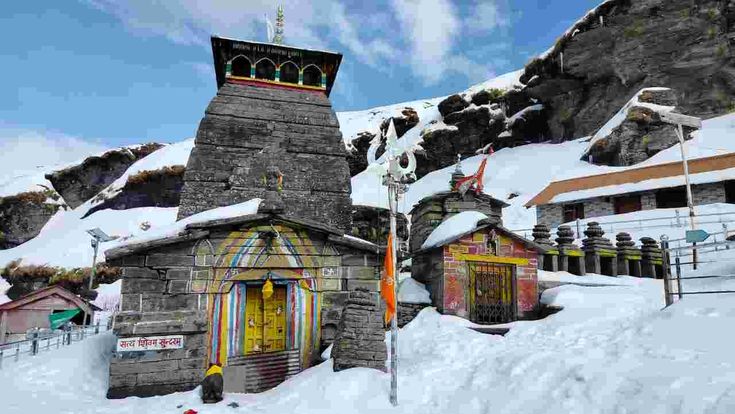
Planning a visit to Tungnath? Here’s your complete guide to the Tungnath temple trek — distance, altitude, best time to visit, how to reach, and everything else you need to know.
Introduction
Tucked away in the Garhwal Himalayas of Uttarakhand, Tungnath is not just a temple — it is an experience that stays with you long after you have descended back to the plains. Known as the highest Shiva temple in the world, Tungnath sits at an elevation of 3,680 metres (12,073 ft) in the Rudraprayag district, offering pilgrims and trekkers alike a rare combination of spiritual sanctity and Himalayan grandeur. Whether you are a devout pilgrim retracing the footsteps of the Pandavas or a trekker chasing sweeping mountain views, Tungnath deserves a place at the top of your Uttarakhand travel list.
In this guide, we cover everything you need to know about Tungnath — its mythology, how to reach it, the trek itself, the best time to visit, nearby attractions like Chandrashila Peak, and practical tips to make your journey smooth and memorable.
Where is Tungnath Located?
Tungnath is located in the Rudraprayag district of Uttarakhand, within the Kedarnath Wildlife Sanctuary, along the ridge that separates the Mandakini and Alaknanda valleys. The temple lies close to the small hamlet of Chopta, often nicknamed the “Mini Switzerland of India” for its rolling meadows, dense forests, and views of snow-clad peaks. Tungnath forms part of the Panch Kedar circuit — a set of five sacred Shiva temples in the Garhwal Himalayas — and is considered the highest among them.
The Legend and Mythology Behind Tungnath
According to Hindu mythology, after the great war of Mahabharata, the Pandavas sought forgiveness from Lord Shiva for the sin of killing their own kin. Shiva, unwilling to forgive them easily, took the form of a bull and hid in the Garhwal region. As the Pandavas pursued him, Shiva’s body is believed to have disappeared into the earth at Kedarnath, while different parts of his body reappeared at four other locations — together forming the Panch Kedar.
At Tungnath, it is believed that the arms (bahu) of Lord Shiva appeared, which is why the temple is also referred to as Bahu Tungnath. The temple itself is said to be over a thousand years old and is built in the North Indian Himalayan style of architecture, using stone and wood that has withstood centuries of harsh mountain weather.
Interestingly, local legend also credits Rama with visiting this region and meditating at Chandrashila, the peak that rises just above the Tungnath temple, before Lord Rama’s return from Lanka after defeating Ravana.
Tungnath Trek: Distance, Route, and Difficulty
One of the biggest reasons Tungnath has become so popular in recent years is that it offers a genuinely accessible high-altitude trek. Unlike many Himalayan treks that demand days of hiking and technical skill, the Tungnath trek can comfortably be completed in a single day by most fit travelers.
Starting Point: Chopta (approximately 2,680–3,000 metres, depending on where you begin) Trek Distance: Approximately 3.5 km one way from Chopta to Tungnath temple, making the round trip about 7 km Trek Duration: Roughly 2 to 4 hours one way, depending on pace and acclimatization Difficulty Level: Easy to moderate — suitable for beginners, families, and even senior citizens in reasonable health
The trail itself is well-paved with stone steps for a large stretch and lined with sturdy railings in the steeper sections, making it one of the safest high-altitude treks in the region. The path winds through dense rhododendron and oak forests before opening up into wide alpine meadows (bugyals), offering trekkers panoramic views of peaks like Chaukhamba, Nanda Devi, Kedarnath, and Bandarpunch on a clear day.
While the distance is short, don’t underestimate the trek. The altitude gain happens quickly, and the thin mountain air can leave even experienced trekkers breathless. It’s advisable to walk at a steady pace, stay hydrated, and take short breaks rather than rushing to the top.
Extending the Trek to Chandrashila Peak
Most visitors who reach Tungnath choose to continue another 1 to 1.5 km further up to Chandrashila Peak, which sits at approximately 4,000 metres. This extension is steeper and more strenuous than the Tungnath stretch, but the reward is a genuine 360-degree view of the Himalayan range — arguably one of the finest sunrise and sunset points accessible via such a short trek anywhere in India. Many trekkers time their hike to catch sunrise from Chandrashila before descending back through Tungnath.
How to Reach Tungnath
Reaching Tungnath involves a combination of road travel to Chopta followed by the trek itself.
By Air: The nearest airport is Jolly Grant Airport in Dehradun, roughly 220–225 km from Chopta. From the airport, you can hire a taxi or take a bus toward Rudraprayag and onward to Chopta.
By Rail: The nearest major railway station is Haridwar Junction, approximately 215 km away. Rishikesh also serves as a convenient railhead and starting point for many organized treks. From either station, regular buses and taxis run toward Ukhimath and Chopta.
By Road: Chopta is well connected by road via Rishikesh–Rudraprayag–Ukhimath. The drive from Rishikesh typically takes around 7 to 8 hours depending on road conditions, and most travel companies organize this leg as part of a 2 to 3 day itinerary that includes an overnight halt.
Once you reach Chopta, the temple is accessible only on foot — there is no motorable road or ropeway to Tungnath, which is part of what keeps the area unspoiled.
Best Time to Visit Tungnath
Timing your visit correctly can make a significant difference to your experience.
- May to June: Pleasant weather, clear skies, and blooming rhododendrons make this an ideal window for both trekking and sightseeing.
- July to August: Monsoon season brings heavy rainfall and slippery trails. While the landscape turns lush green, trekking is riskier and visibility is often poor.
- September to November: Considered by many to be the best season, with crisp, clear weather, excellent mountain visibility, and comfortable daytime temperatures.
- December to April: The region receives heavy snowfall, and the temple itself closes for winter (the deity is ceremonially moved to Mukumath near Chopta). This period suits experienced winter trekkers looking for snow trekking, but is not advisable for casual visitors or first-time pilgrims.
The temple traditionally opens around late April or early May and closes around Diwali in autumn, though exact dates vary year to year based on the lunar calendar and are announced by temple authorities.
What to Pack for the Tungnath Trek
Since weather in the Himalayas can change rapidly, packing right is essential:
- Sturdy trekking or hiking shoes with good grip
- Layered clothing — thermal wear, fleece jacket, and a windproof/waterproof outer shell
- A cap or woolen hat, gloves, and sunglasses
- A refillable water bottle and some energy snacks or dry fruits
- A basic first-aid kit and any personal medication
- A power bank, since charging points are unavailable on the trail
- A walking stick, especially helpful on the descent
Nearby Places to Visit Around Tungnath
If you’re traveling to Tungnath, it’s worth extending your trip to cover some of the surrounding attractions:
Chopta: The base village itself is worth spending an evening in, with its meadows, pine forests, and views of the Kedarnath range.
Deoriatal: A pristine alpine lake famous for its mirror-like reflection of the Chaukhamba peaks, located a short trek away from Sari village near Chopta.
Chandrashila Peak: As mentioned earlier, this summit above Tungnath is one of the most rewarding short high-altitude treks in the country.
Ukhimath: The winter seat of Lord Tungnath’s deity, this town also has historical and religious significance of its own.
Kedarnath Wildlife Sanctuary: The Tungnath–Chopta belt lies within this protected area, home to species like the Himalayan monal, musk deer, and occasionally the elusive snow leopard at higher altitudes.
Tips for a Smooth Tungnath Trip
- Acclimatize before you trek. If you’re arriving from lower altitudes, spend a night in Chopta before attempting the climb to reduce the risk of altitude sickness.
- Start early. Beginning the trek by early morning helps you avoid afternoon weather changes and gives you enough daylight for the descent.
- Carry cash. Small shops and dhabas along the route and in Chopta may not accept digital payments.
- Respect the sanctuary. Since the trail passes through a protected wildlife area, avoid littering and stick to the marked path.
- Check temple opening dates. If your visit is planned for early spring or late autumn, confirm the temple’s opening or closing dates in advance, as these shift slightly each year.
- Hire local support if needed. Ponies and porters are available at Chopta for those who need assistance with the climb.
Why Tungnath Should Be on Your Itinerary
What makes Tungnath truly special is how it combines two very different kinds of travel experiences into one short journey. For pilgrims, it offers a deeply spiritual visit to one of the most sacred Shiva shrines in the Himalayas, steeped in mythology dating back to the Mahabharata. For trekkers, it offers a relatively easy but genuinely rewarding high-altitude hike, with meadows, forests, and panoramic Himalayan views that rival treks far more difficult to access.
Few places in India let you stand at over 12,000 feet, in front of a thousand-year-old stone temple, surrounded by some of the highest peaks in the world — all after a trek that takes just a few hours. That accessibility, combined with its raw natural beauty and spiritual depth, is exactly why Tungnath continues to draw travelers back year after year.
Conclusion
Whether you’re planning a dedicated pilgrimage along the Panch Kedar route or simply looking for a short, scenic Himalayan trek to add to your Uttarakhand itinerary, Tungnath offers something rare — a journey that feeds both the soul and the sense of adventure. With the right preparation, the right season, and a bit of respect for the mountain, a trip to Tungnath can easily become one of the most memorable experiences of your travels in the Himalayas.
If you’re planning a trip to Tungnath, Chopta, or the wider Garhwal Himalayas, reach out to us to help plan a comfortable and well-organized itinerary tailored to your travel dates and fitness level.